- Who We Are
- What We Do
- Success Stories
- Careers
- News & Events
- Contact us

Industry’s pioneer in IT software, Infrastructure solutions and Services.
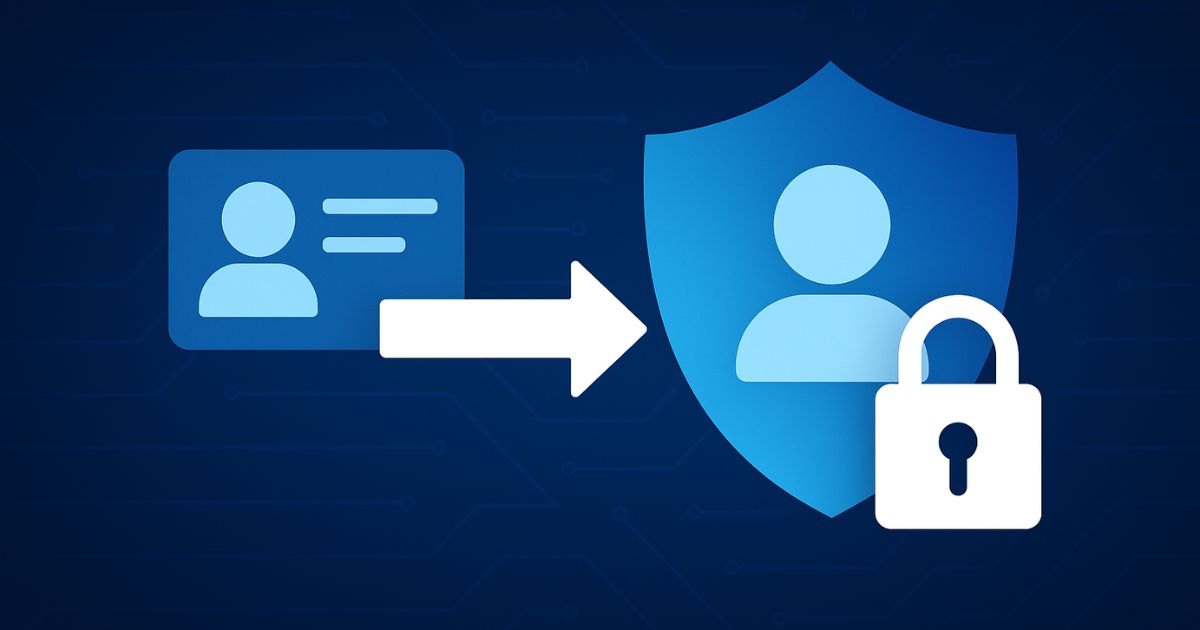
Identity & Access Management (IAM) is a crucial framework within the realm of digital security, aiming to ensure that only authorised individuals have access to the appropriate resources and information at the right times. It involves a set of policies and technologies designed to manage digital identities and regulate user access to systems. IAM is not merely about granting access; it also encompasses the processes of identifying, authenticating, and authorising users to access various resources.
IAM systems help organisations streamline access management by automating user provisioning and de-provisioning, maintaining user roles, and ensuring compliance with security policies. They enable businesses to protect sensitive data by enforcing access controls based on user credentials and roles. Implementing effective IAM can significantly reduce the risk of data breaches and unauthorised access.
In today’s interconnected world, where remote work and cloud services are prevalent, IAM is more critical than ever. By establishing a robust IAM strategy, organisations can secure their digital environments, protect their assets, and ensure that users can access the resources they need without compromising security.
In the current digital landscape, the importance of Identity & Access Management cannot be overstated. With the proliferation of digital services and the increased sophistication of cyber threats, organisations need a comprehensive approach to managing user identities and access privileges. IAM serves as a foundational element of any organisation’s cybersecurity strategy, providing a systematic way to control who has access to what resources and under what circumstances.
One of the primary reasons IAM is so vital is its role in preventing data breaches. By implementing strong authentication mechanisms and continuous monitoring, IAM solutions can detect and prevent unauthorised access attempts. This is particularly important as cybercriminals continually seek to exploit vulnerabilities in digital systems to gain access to sensitive information.
Furthermore, IAM is crucial for maintaining compliance with various regulatory requirements. Many industries are subject to strict regulations concerning data protection and privacy, such as GDPR in Europe. IAM solutions help organisations demonstrate compliance by providing detailed audit trails and ensuring only authorised personnel can access sensitive data, thus avoiding potential fines and legal issues.
Identity & Access Management comprises several key components that work together to secure an organisation’s digital assets. Understanding these components is essential for implementing an effective IAM solution. These components include:
1. Identity Management: This involves creating and managing digital identities for users within an organisation. It includes processes for registering new users, managing user profiles, and ensuring that identity data is accurate and up-to-date.
2. Access Management: This component focuses on controlling user access to resources based on their roles and permissions. It includes authentication mechanisms such as passwords, biometrics, and multi-factor authentication (MFA), as well as authorisation protocols that define what resources users can access.
3. Directory Services: These are centralised databases that store and manage identity information. Directory services enable organisations to maintain a single source of truth for user identities, which can be accessed by other applications and systems for authentication and authorisation purposes.
By integrating these components, organisations can create a unified IAM system that provides a seamless user experience while maintaining robust security controls. This integration helps streamline processes, reduce administrative overhead, and enhance overall security posture.
Digital security is a top priority for organisations of all sizes, and IAM plays a critical role in protecting sensitive data and resources. By implementing a comprehensive IAM strategy, organisations can mitigate the risk of cyber threats and ensure that their digital environments remain secure.
IAM solutions enhance digital security by enforcing strict access controls and monitoring user activities. With features like role-based access control (RBAC) and least privilege access, organisations can limit user access to only the resources necessary for their job functions. This minimises the risk of insider threats and reduces the potential attack surface.
Moreover, IAM provides organisations with the tools to detect and respond to security incidents in real-time. By continuously monitoring user activities and access patterns, IAM solutions can identify anomalous behaviour that may indicate a security breach. This proactive approach enables organisations to take swift action to mitigate potential threats and protect their digital assets.
IT governance is a critical aspect of an organisation’s overall strategy, ensuring that IT resources are used effectively and aligned with business objectives. IAM plays a pivotal role in IT governance by providing a framework for managing user access and ensuring compliance with organisational policies and regulations.
One of the key contributions of IAM to IT governance is its ability to enforce consistent access policies across the organisation. By centralising access management, IAM solutions ensure that all users are subject to the same security controls, regardless of their location or the devices they use. This consistency is essential for maintaining a secure and compliant IT environment.
Furthermore, IAM provides organisations with the visibility and control needed to manage risks associated with user access. With detailed audit trails and reporting capabilities, IAM solutions enable organisations to demonstrate compliance with regulatory requirements and identify areas for improvement. This transparency is crucial for effective IT governance and helps organisations make informed decisions about their IT strategies.
While the benefits of IAM are clear, implementing IAM solutions can be challenging for many organisations. These challenges often stem from the complexity of integrating IAM with existing systems and processes, as well as the need to balance security with usability.
One common challenge is the integration of IAM with legacy systems and applications. Many organisations have a mix of old and new technologies, making it difficult to implement a unified IAM solution. Ensuring compatibility and seamless integration with these systems requires careful planning and expertise.
Another challenge is managing the user experience. While strong security measures are necessary, they should not impede user productivity. Organisations must find the right balance between security and ease of use, ensuring that IAM solutions provide a seamless experience for users without compromising security.
Finally, organisations often face challenges related to change management and user adoption. Implementing a new IAM solution requires changes to existing processes and may face resistance from users. Effective communication, training, and support are essential to overcome these challenges and ensure successful adoption.
To maximise the effectiveness of IAM solutions, organisations should adhere to best practices that enhance security and streamline access management processes. These best practices include:
By following these best practices, organisations can enhance their IAM strategies, improve security, and ensure that users have the access they need to perform their roles effectively.
Informatics solutions play a significant role in enhancing IAM by providing advanced tools and technologies that streamline identity and access management processes. These solutions offer a range of features designed to improve security, efficiency, and user experience.
One of the key benefits of informatics solutions is their ability to automate routine IAM tasks, such as user provisioning and de-provisioning. Automation reduces the administrative burden on IT teams and ensures that access is granted and revoked promptly, reducing the risk of security breaches.
Informatics solutions also provide advanced analytics and reporting capabilities, enabling organisations to gain insights into user behaviour and access patterns. This information is invaluable for identifying potential security threats and making informed decisions about IAM policies and practices.
Additionally, informatics solutions often come with integration capabilities that allow organisations to seamlessly incorporate IAM with other systems and applications. This integration ensures a consistent and unified approach to access management across the organisation, enhancing both security and user experience.
As the digital landscape continues to evolve, so too do the trends and technologies associated with IAM and digital security. Organisations must stay abreast of these trends to ensure their IAM strategies remain effective and relevant.
One significant trend is the increasing adoption of artificial intelligence (AI) and machine learning (ML) in IAM. These technologies offer advanced capabilities for detecting and responding to security incidents, as well as improving the efficiency of access management processes. AI and ML can analyse vast amounts of data to identify patterns and anomalies, providing organisations with valuable insights into potential security threats.
Another emerging trend is the growing importance of identity as a service (IDaaS). As organisations continue to migrate to the cloud, there is a rising demand for cloud-based IAM solutions that offer scalability, flexibility, and ease of management. IDaaS provides organisations with a cost-effective way to manage identities and access in a cloud environment.
Finally, the concept of decentralised identity is gaining traction as a means of enhancing privacy and security. Decentralised identity solutions allow individuals to control their digital identities without relying on centralised authorities, reducing the risk of identity theft and data breaches.
In conclusion, Identity & Access Management is an essential component of any organisation’s digital security strategy. By providing a comprehensive framework for managing user identities and access privileges, IAM helps organisations protect their digital assets, maintain compliance, and enhance overall security posture.
As the digital landscape continues to evolve, the importance of IAM will only grow. Organisations must continue to adapt their IAM strategies to keep pace with emerging trends and technologies, ensuring that they remain resilient in the face of ever-evolving cyber threats.
Discover how Informatics can help you design an IAM strategy that secures your organisation. Book a consultation today to explore the possibilities.